



March Madness: The Rise of Teen Gambling
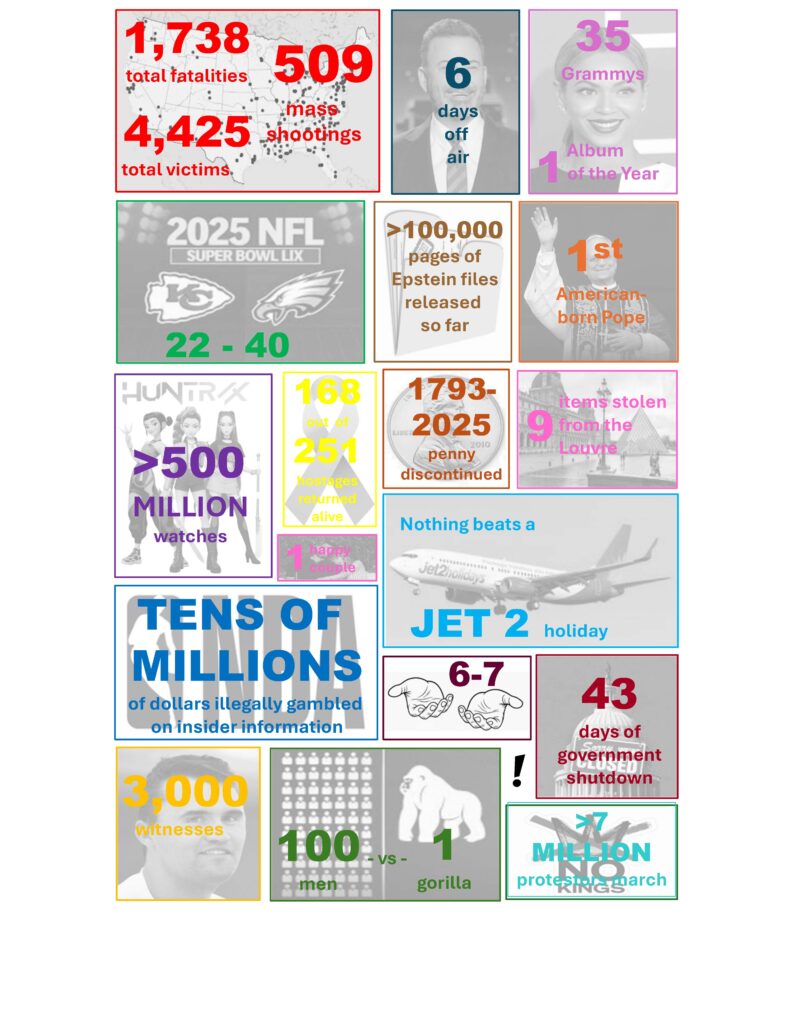
The NCAA basketball tournament this month and the Superbowl earlier this year highlight the troubling fact that sports have lured a whole new generation of young people into the gambling arena. Because the legal age limit for gambling in the US is 18, online platforms like FanDuel and DraftKings post age limits on their websites, but motivated teens can bypass these pretty easily. A 2026 study reported that 36% of teenagers admitted to gambling in the past year, and 60% of 11 to 17 year olds are getting ads for online gambling. These habits start young. Fortnite (that currently has an estimated 30 million daily users) offers “loot boxes”, where in-game purchases made with real money provide unknown tools or skins that can be used in the game. The psychology of this behavior closely mimics gambling: actual dollars are paid for a theoretical outcome that could either be worthless or a valuable prize.
Unsuspecting parents have been surprised by credit card bills with hundreds or even thousands of dollars spent on accessories in these games without their knowledge by children as young as 6 years old. Grand Theft Auto, a game with a 17+ maturity rating, houses the Diamond Casino and Resort, an in-game gambling locale where players can purchase chips and use these to play blackjack, roulette, poker, slot machines, and virtual horse racing. Fantasy sports are another forum wherein young fans can get exposed to and hooked on gambling.
Teenage brains that are still developing may lack the tools to keep from letting a pastime become a habit or worse— an addiction. The psychology behind this is the variable rewards system, an intermittent and unpredictable pattern of positive reinforcement that keeps the player wanting to try again. Intermittent or variable reinforcement creates high engagement, anticipation, and dopamine-driven behavior, making it the most habit-forming tactic available. Betting apps are aware of this and utilize it heavily. Gambling stimulates the brain’s reward system, causing release of dopamine, the neurotransmitter associated with pleasure. Winning reinforces this activity. Losing can be perceived as a “near miss” or an “almost-win”, making the player feel like next time will be the lucky bet, which encourages continued play. The psychological need to immediately recoup a loss can lead to heftier, riskier bets. This cycle, along with easy and ubiquitous access to betting, is contributing to the rising rates of gambling addiction in younger people. In addition, the constant exposure to marketing, inclusion of gambling in fantasy and traditional sports leagues, and introductory free bets normalizes the gambling process, and destigmatizes it for the younger population.
As parents, we owe it to our kids to protect them from online threats. That means we must monitor their digital activity, including in-app purchases (gaming, sports, or otherwise). We also need to keep tabs on their interests to gauge whether an innocent hobby has turned into a dangerous compulsion. We are also responsible for teaching our children what is and isn’t legal and what is and isn’t safe. Kids are always listening. If you’re not doing the talking, some influencer or advertiser is, so be the voice in their head and teach them about the dangers of online gambling before they learn it the hard way.