




Adolescence is a phase of identity formation and self-discovery
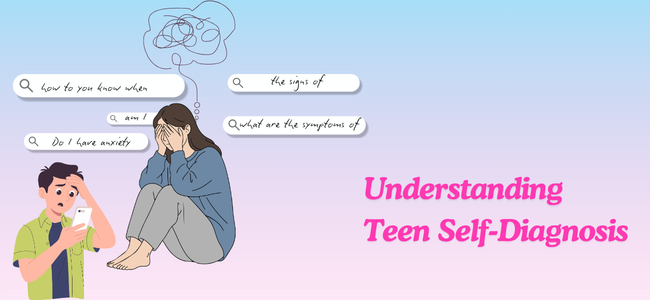
Those of us who interface with teenagers on a daily basis are seeing a growing number of self-diagnosed mental health conditions. This trend is likely the result of several elements. Adolescence is a phase of identity formation and self-discovery, so teens seek out like-minded cohorts in a quest for validation and understanding. Online platforms like TikTok offer up relatable characters, stories, and challenges, providing a community for kids who might otherwise feel alone.
The relative anonymity of these online forums engenders a freedom of expression for those hoping to be heard. And because it costs nothing and requires no training or tools beyond what every teen carries in their pocket already, anyone can broadcast their message, regardless of accuracy or clinical relevance. A young and inquisitive audience then eagerly absorbs this information (and sometimes misinformation) and internalizes it.
A vulnerable viewer may draw parallels between a performer’s experience and their own. They may broaden this relationship to encompass more than just a shared feeling, and assume they share a diagnosis. As opposed to a generation earlier, kids today wear their idiosyncrasies with pride. Many unabashedly proclaim their learning differences, mood instabilities, self-injury, sexual preferences, and gender identities. Perhaps these labels offer the sanctuary of community, extended educational accommodations, lowered expectations from adults, extra attention from family, or some other perceived benefit. Instead of feeling stigmatized, they are eager to utilize this support network.
Unfortunately, untrained diagnosticians tend to make mistakes. Latching onto commonalities leads to overdiagnosis and misdiagnosis much of the time. Strict inclusion criteria exist for most clinical behavioral labels, and these are ignored when teens diagnose themselves. Parents or school personnel may be approached by an adolescent who feels they can distill their struggles into an acronym like ADHD or OCD. The best way to respond is to be curious in a neutral tone, validate their feelings without committing to the label, underscore that many of the behaviors they perceive as pathologic are part of the normal developmental arc of adolescence, and encourage them to seek professional support. Despite being more tech-savvy than their parents, this generation may not appreciate that algorithms create an echo chamber for what’s presented to them. They also might not grasp that online content creators have financial motivations and could be sensationalizing their reported experience for monetary or viewership gains.
For myriad of reasons, we are seeing an uptick in the number of teens self-diagnosing with mental health disorders. Abundantly available content of questionable accuracy is rolled out in easily-digestible reels that inundate the for-you pages of susceptible teens with relatable stories that foster a sense of community and validation. For someone in a developmental stage of personality exploration and self-discovery, drawing congruence between what they’re experiencing and what an influencer reports can help categorize unfamiliar feelings. With a label, these moods or mannerisms are transformed from inadequacies or oddities to blameless consequences of a diagnosis. With a diagnosis, this unconventional, atypical individual is now included in a community of similarly-afflicted cohorts. The appeal is not hard to find.
It is true that adolescents post-pandemic who are coming of age while being pummeled by social media are suffering with darker thoughts and increasing distractibility. These behaviors, however, do not satisfy criteria for a diagnosis. Collaboration with trusted adults and mental health professionals should be the gold standard for accurate diagnostics.