


Suicide is the second leading cause of death for high-school aged youth, after accidents. Data indicate that about one-fifth of all adolescent deaths are due to suicide. One-third of all Emergency Department visits at children’s hospitals are for self-injury or attempted suicide. This is a far-reaching and serious problem. A CDC survey revealed nearly 20% of high school students in the US had “seriously considered” suicide at one point. Certain risk factors have been identified:
- Male gender: Teen boys have a four-fold greater risk of death by suicide than girls. While boys represent 50% of the population, they comprise 80% of youth suicides.
- Marginalized minority groups: LGBT+, ethnic minorities, bullying or abuse victims, and those struggling with pinning down their identity all have higher risk rates.
- Grief: Loss of a family member or pet can leave a teenager feeling unmoored and lost. The end of a relationship (their own or parental divorce) or even physical belongings (having to move, fire damage) can trigger deep sadness and hopelessness.
- Mental health conditions: Underlying diagnoses like Anxiety and Depression, or addiction to alcohol or other drugs, can elevate a teen’s risk for suicide. Trauma history (sexual abuse, child abuse or neglect) can too.
- Access to lethal means: Getting hands on a gun is a major risk for suicide. Firearms account for 55% of suicide deaths, making them the number one cause.
- Talk of death: Children and teens who talk about wanting to die aren’t “being dramatic”. These assertions should be taken very seriously.
- Previous suicide attempt: Nearly 60% of those who die by suicide do so on their first attempt. That means nearly half of suicide victims have a previous attempt in their history, making it a huge risk factor for completion of the act.
Luckily, there are also protective factors that have been proven to help mitigate this crisis. Having an attentive adult in a child’s life who listens with patience and without judgment can be lifesaving. Providing resources for affordable access to mental health professionals or organizations that can intervene before an addiction, trauma, or personal misfortune balloons into a crisis is invaluable. And making sure that peers know how to respond and where to turn when a friend confides in them about suicidal ideation can go a long way to prevent needless loss of life.
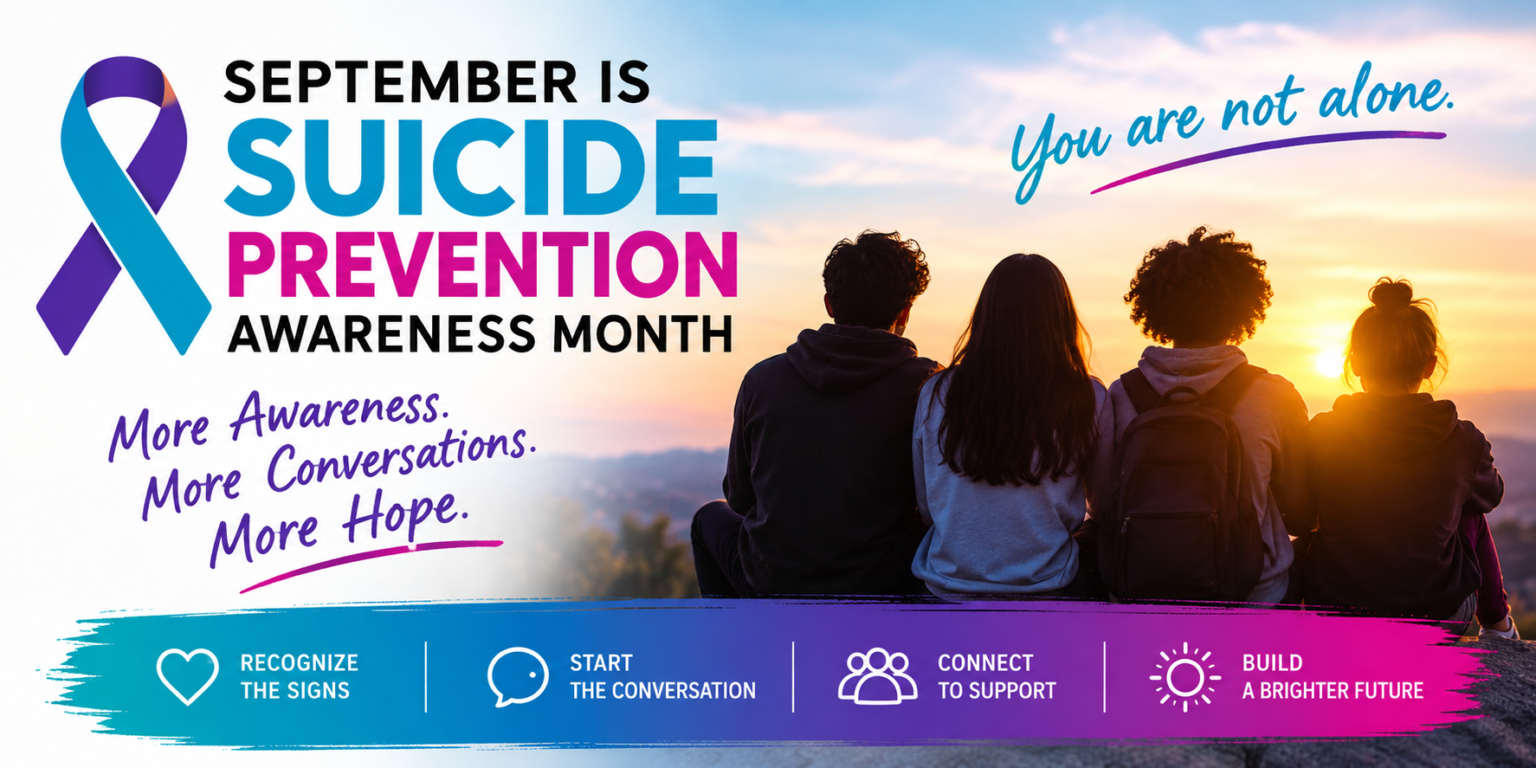
Raising awareness of the ever-present suicide risk helps to foster an environment where individuals who are suffering know that they can find help. Educating teachers and fellow students can stop the cycle of hopelessness and misguided solutions. Several free apps, platforms, and educational programs are available not only to encourage those in crisis to share and seek out supportive communities, but also to inform others on how to be receptive and perceptive listeners. Immediate crisis resources include the Suicide and Crisis Lifeline (call or text 988 for 24/7 free and confidential connection), the Crisis text line (text HOME to 741741 to connect to a crisis counselor), and The Trevor Project (text START to 678678 or call 1-866-488-7386, specifically for LGBT youth).
The incidence of suicides in the 10-14 year-old age group has more than doubled in the last decade. More teenagers and young adults die from suicide each year than from cancer, heart disease, AIDS, congenital birth defects, stroke, pneumonia, Influenza, and chronic lung disease combined. But there are also stories of hope and recovery. And there are preventative programs structured to reach at-risk populations. Building preparedness into the school curriculum is a vital part of suicide prevention. Educating everyone will help destigmatize frightening ideas and leave open clear lines of communication for honest conversation.